

Self-control is an important skill that can benefit children in many areas of their lives, from academic achievement to social relationships. However, it can be a challenging concept for young children to understand and practice. Fortunately, there are many playful and engaging activities that parents and caregivers can use to teach self-control to children. These activities can help children learn to regulate their emotions, make better decisions, and improve their overall well-being. In this article, we will explore 20 playful ways to teach kids self-control, and discuss the benefits of incorporating these activities into your child’s routine. With these fun and creative ideas, teaching self-control can be an enjoyable process for both you and your child.
Here are 20 ideas to get you started:
- Simon Says: This classic game can help kids practice self-control as they wait for the commands and follow the instructions.
- Freeze Dance: Encourage children to dance when the music is playing, and then stop and freeze when it stops. This game teaches children to control their movements and actions.
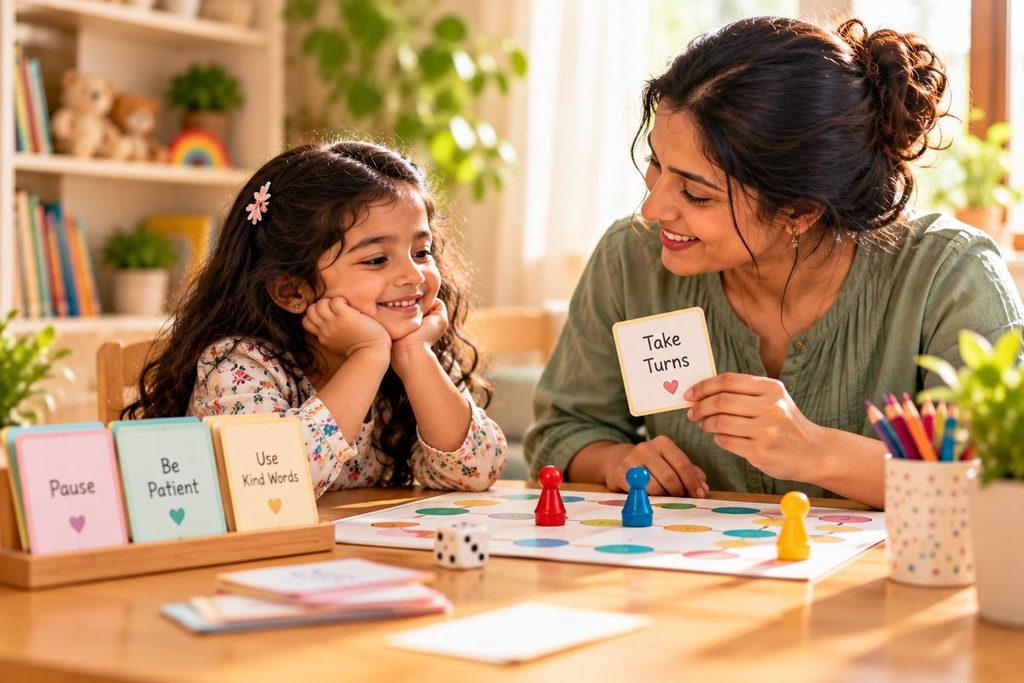
- Board Games: Playing board games, such as chess or checkers, can help children learn to think before they act and to consider the consequences of their actions.
- Breathing Exercises: Teach children simple breathing exercises, like taking deep breaths, when they feel upset or frustrated. This helps them learn to calm down and control their emotions.
- Art Projects: Engage children in art projects that require them to focus and use self-control, such as coloring within the lines or painting carefully.
- Count to 10: Encourage children to count to 10 before reacting or making decisions. This helps them think before they act.
- Red Light, Green Light: This game teaches children to control their movements and stop when they need to.
- Balloon Volleyball: Play a game of balloon volleyball, which requires children to use self-control as they hit the balloon back and forth without letting it hit the ground.
- Simon Says with Emotions: Play Simon Says, but use emotions as commands (e.g. “Simon says, show me a sad face”). This helps children practice identifying and controlling their emotions.
- Yoga: Teach children basic yoga poses, which can help them develop focus and self-control.
- Puzzles: Engage children in puzzles that require focus and patience to complete.
- Follow the Leader: Encourage children to take turns being the leader, and challenge them to make creative and complex movements that require self-control.
- Reducing Distractions: Help children learn to focus by reducing distractions during learning and playtime.
- Modeling Self-Control: Parents and caregivers can model self-control by taking deep breaths, thinking before they speak, and exhibiting patience.
- Mindfulness: Teach children to be mindful by focusing on the present moment and their current feelings.
- Listening Skills: Encourage children to practice listening skills by waiting their turn to speak and asking questions.
- Clapping Game: Play a clapping game, such as “Miss Mary Mack,” which requires children to control their movements and pay attention to the rhythm.
- Slow Motion Tag: Play tag in slow motion, which requires children to control their movements and reactions.
- Role Play: Encourage children to practice self-control by role-playing different scenarios and responding appropriately.
- Time Out: Use time-outs as a tool to help children take a break and regain control over their emotions and actions.
In conclusion, teaching self-control to children is an essential part of their emotional and social development. By engaging them in playful activities that require self-control, you can help them learn to regulate their emotions, make better decisions, and succeed in many areas of their lives.
These 20 playful ideas are just a starting point, and there are countless other creative ways to teach self-control. By incorporating these activities into your child’s routine, you can help them develop the tools they need to succeed both now and in the future. Remember to always praise and encourage your child’s progress, and be patient as they learn and grow. With time, effort, and a little bit of playfulness, your child will become a self-controlled and confident individual.
Read More Parenting Tips on our blog today!