



In today’s world, the prevalence of unhealthy diets and sedentary lifestyles has led to a rise in childhood obesity and other health issues. As parents and caregivers, it is our responsibility to ensure that children are getting the proper nutrition they need to thrive. Nutrition is an essential aspect of children’s development, both mentally and physically. Unfortunately, many children are not getting the nutrients they need to support their growth and development, which can lead to long-term health consequences. In this post, we will explore the basics of nutrition for children and provide tips and tricks to help ensure that your child is getting the nutrients they need to maintain good health.
The Importance of a Balanced Diet A balanced diet is crucial to ensure that children receive all the nutrients they need to support their growth and development. A healthy diet should include a variety of foods from each food group, including fruits, vegetables, grains, protein, and dairy. These foods contain essential vitamins and minerals that are important for overall health.
Fruits and Vegetables
Fruits and vegetables are an essential part of a child’s diet. They are a rich source of vitamins, minerals, and fiber, which help to promote healthy digestion and support the immune system. Encouraging children to eat a variety of fruits and vegetables can be a challenge, but there are many creative ways to make it fun. You can try making smoothies with different fruits and veggies or even making fun and creative shapes with sliced fruits and vegetables.
Grains
Grains, such as rice, bread, and pasta, are an essential source of energy and fiber for children. Whole grains are a healthier choice, as they contain more fiber, vitamins, and minerals. Whole wheat bread, brown rice, and whole-grain pasta are great options for children.
Protein
Protein is an important nutrient for children, as it is essential for growth and repair of body tissues. Foods rich in protein include meat, poultry, fish, beans, and nuts. Encouraging children to eat a variety of protein sources can help to ensure they are getting all the nutrients they need. You can try making healthy protein-rich snacks like trail mix with nuts and seeds, or hummus with carrots and whole-grain crackers.
Dairy
Dairy products, such as milk, cheese, and yogurt, are a good source of calcium and vitamin D, which are essential for strong bones and teeth. Low-fat or fat-free options are best for children, as they are lower in saturated fat.
Hydration
In addition to a healthy diet, it is essential to ensure that children are adequately hydrated. Water is the best choice for children, as it is essential for many bodily functions, including digestion and elimination of waste.
Encouraging children to drink water can be challenging, but there are many fun ways to make it more exciting. You can try infusing water with fruits like lemon, cucumber, or berries, or even making homemade fruit popsicles.

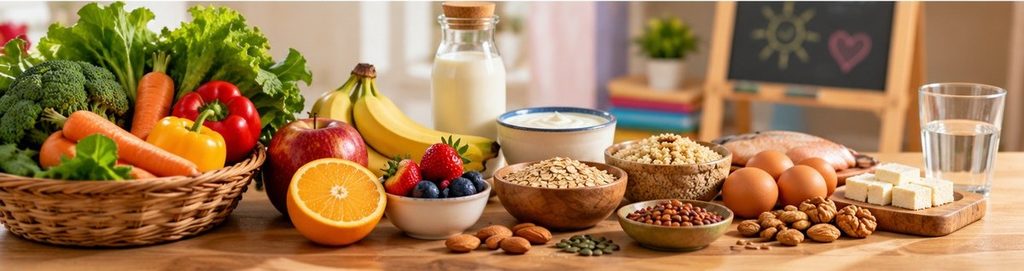
Let’s consider some tips and tricks to include n our children’s daily routine.
- Limit sugary and processed foods: These foods are often high in calories and low in nutritional value. While it’s okay to indulge in moderation, it’s important to limit the intake of these foods to promote overall health.
- Avoid skipping meals: Children require consistent fuel throughout the day to maintain their energy levels and support their growth and development. Skipping meals can lead to decreased energy, irritability, and poor concentration.
- Encourage family meals: Eating meals together as a family can promote healthy eating habits and provide opportunities to model positive behaviors. Additionally, it can help to create a positive and social environment around food.
- Consider dietary restrictions: If your child has specific dietary restrictions, such as a food allergy or intolerance, it’s important to work with a healthcare professional to develop a balanced and healthy diet.
- Be a positive role model: As a caregiver, you play a critical role in shaping your child’s attitudes and behaviors around food. By modeling healthy eating habits and a positive attitude towards food, you can help to promote a lifetime of healthy habits.
By incorporating these tips and tricks into your daily routine, you can help to ensure that your child is getting the nutrients they need to maintain good health. Remember, nutrition is an essential aspect of children’s development, and by providing children with a balanced and healthy diet, we can support their growth and development and promote good health. Encouraging children to eat a variety of foods and making it fun can help to make healthy eating a lifelong habit. So let’s make a commitment to prioritize nutrition for our children and set them up for a healthy and happy life.